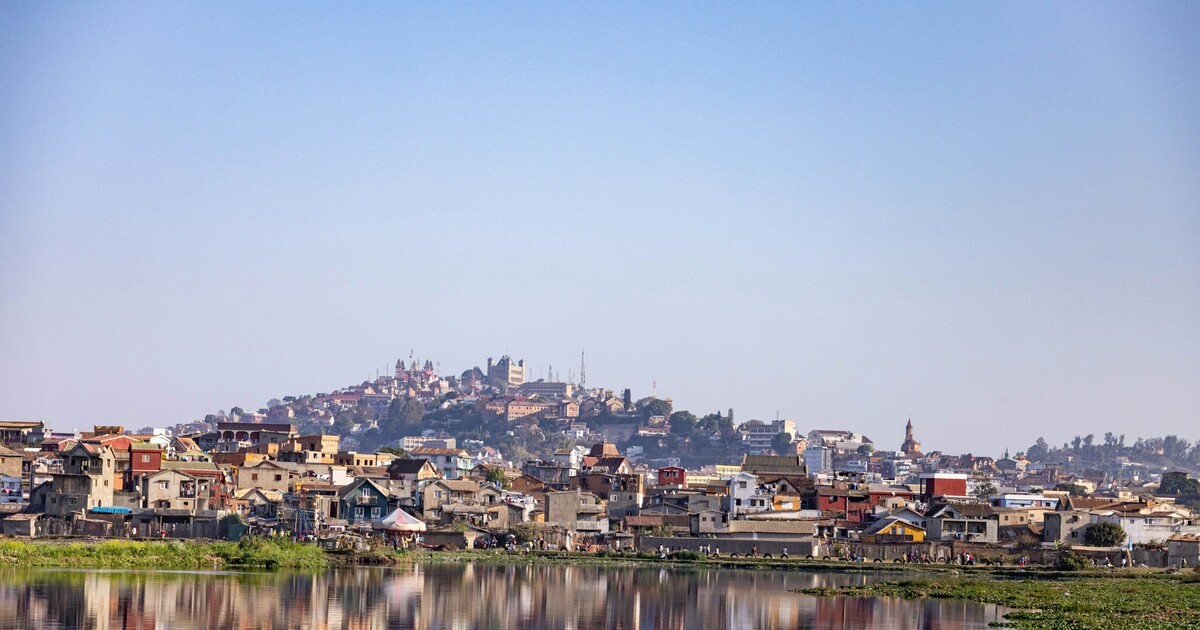
Antananarivo’s tech scene rarely makes international headlines, but it has quietly grown past the point of being a curiosity. A handful of small, self-funded teams are building real products end to end – hosting, backend, design, support – out of the same conditions that used to only produce outsourced coding shops. via.mg, the link shortener behind this very plugin, is one example among several: built, hosted and maintained in Madagascar, for anyone anywhere who wants a short link and a clean social preview without handing their data to a large foreign platform. It’s a small proof that a serious piece of internet infrastructure does not need to be built somewhere else.
Category: Uncategorized
-
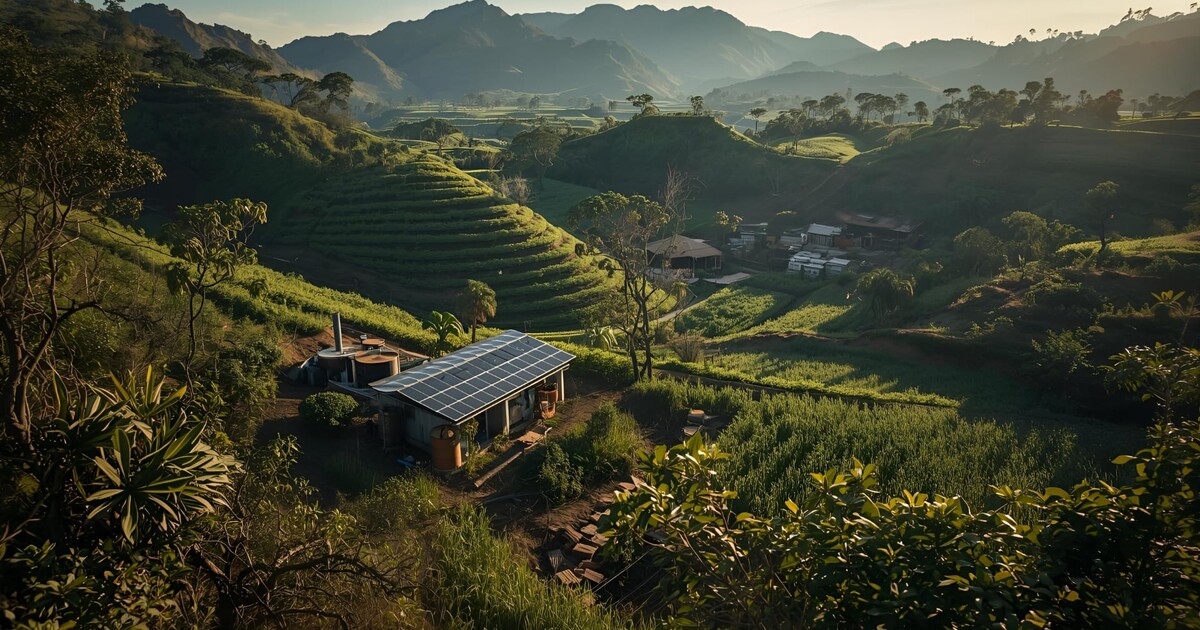
Solar Microgrids Are Quietly Electrifying Rural Madagascar
Off the national grid, in villages where diesel generators once ran a few hours a night if at all, small solar microgrids are quietly changing daily life. A cluster of panels, a battery bank and a local operator selling power by the token is often enough to keep lights on, phones charged and a few refrigerators running for the first time. The model spreading across rural Madagascar keeps the equipment locally maintained and the tariffs low enough for ordinary households, rather than depending on a single large plant far from the villages it is meant to serve. It’s unglamorous infrastructure work, and it is exactly the kind of infrastructure that tends to move a village from candlelight to a lit classroom within a single generation.
-
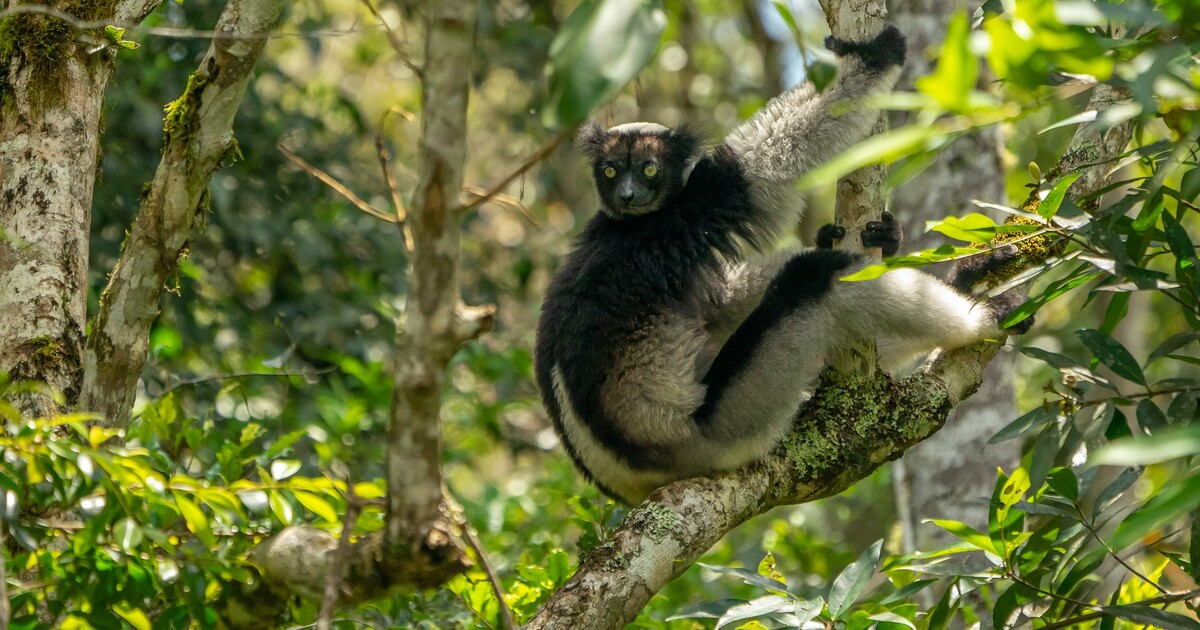
Inside Andasibe-Mantadia: A Conservation Success Story for the Indri
Andasibe-Mantadia, a two-hour drive from Antananarivo, is one of the best conservation stories on the island. Two decades ago the indri, the largest living lemur and the one whose haunting call carries for kilometers through the canopy, was hemmed in by shrinking forest. Community-managed reserves bordering the national park have since turned former slash-and-burn plots into buffer forest, giving the indri population room to breathe and giving local guides a steady income from ecotourism instead of logging. Visitor numbers have grown every year that the forest has grown with them, which is the rare case where conservation and local livelihoods are pulling in the same direction.
-
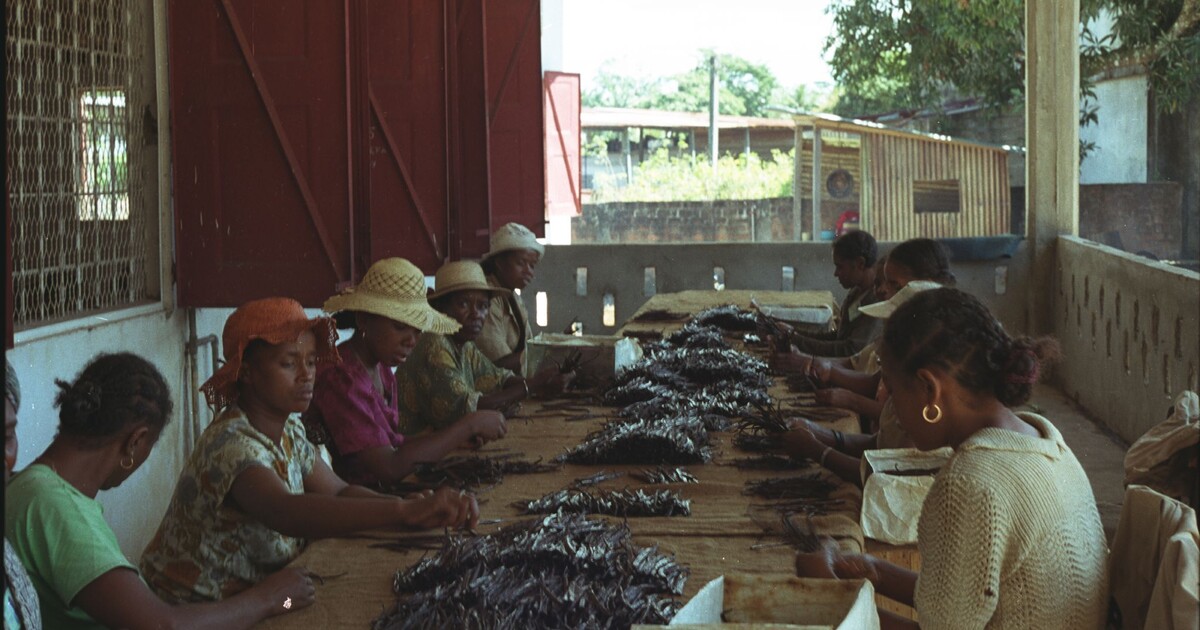
Madagascar Vanilla Renaissance: How Smallholder Farmers Are Reclaiming Global Markets
Madagascar produces roughly four-fifths of the world’s natural vanilla, and for years most of that value stopped at the farm gate, with smallholders paid a fraction of what their crop fetched abroad. That balance is shifting. A new generation of cooperatives in the Sava region now cures and grades vanilla to export standard themselves, cutting out several layers of middlemen and keeping more revenue in the villages that grow it. Buyers in Europe and North America increasingly pay a premium for traceable, cooperative-grown beans, and that premium is starting to fund schools, water points and replanting programs in vanilla country. It’s a slow rebalancing, but it is real, and it is Malagasy-led.
-

Vetiver, coffee, cloves: Madagascar green gold goes to market
Les filières vetiver, café et girofle représentent une part croissante des exportations agricoles de Madagascar cette année.
-
Antananarivo: the new covered market at Analakely opens its doors
Après dix-huit mois de travaux, le marché couvert d’Analakely a rouvert ce lundi. Les commerçants retrouvent des étals modernes et un système de gestion des déchets repensé. La municipalité espère que ce chantier servira de modèle pour d’autres quartiers de la capitale dans les années à venir.
-

The ring-tailed lemur regains ground at Isalo
Les gardes forestiers observent depuis six mois une hausse notable de la population de lemur catta dans le parc national de lIsalo. Cette tendance encourageante sexplique par le renforcement de la lutte anti-braconnage et un programme de reboisement local.